


AI agents in software testing can watch how an application works, decide what to test, and run tests with less manual control. They help teams reduce broken tests and spend less time on maintenance as applications evolve. In this article, we will give you the list of leading AI agents in software testing, including what each one is best at, and how to choose tools that fit your product and testing workflow.
How to Evaluate AI Agents in Software Testing?
Evaluating AI testing agents is different from choosing traditional automation testing tools. Many teams face problems because expectations are unclear from the start. Most issues come from misunderstanding what the tool can really do, how much control it still needs, and how it behaves over time in real projects.
To avoid these problems, teams should evaluate AI testing agents based on a few practical dimensions that affect daily work and long-term value.
- Autonomy level: This shows how much the agent can decide on its own during automated test execution. More autonomy can save time, but it also increases risk if not properly controlled.
- Learning & adaptation: Many AI testing agents use machine learning or generative AI testing logic to adjust based on past runs and changes in the app. Learning ability reduces repeated fixes without making behavior hard to understand.
- Human oversight required: Some agents need constant input, while others mostly run on their own, with humans reviewing results, which directly affects team workload.
- Test maintenance effort: A useful agent should stay stable when small UI or API changes happen. Features like self-healing tests help reduce frequent breakage and long-term maintenance costs.
- CI/CD & DevOps compatibility: AI testing agents should work smoothly in CI/CD pipelines and support continuous testing. Tools that require manual steps often slow down delivery instead of helping it.
Looking at these points together helps teams compare AI testing agents more clearly and choose tools that fit their application, workflow, and long-term testing goals.
Popular AI Agents in Software Testing for Businesses
|
Agents |
Focus |
Use Cases |
Price |
|
Shiplight |
Coding-agent browser verification and E2E regression testing |
Teams using coding agents to verify UI changes, create tests, run them in CI, and maintain regression coverage |
Free plan available; Pro starts from $60/month |
|
Virtuoso |
UI & end-to-end testing |
Frontend-heavy apps |
Custom price |
|
Testim |
UI regression testing |
Existing UI automation that breaks often |
Starts from $450/month |
|
Mabl |
UI & API end-to-end testing |
SaaS teams using CI/CD |
Starts from $450–$500/month |
|
Functionize |
UI automation & regression |
Large enterprise regression suites |
Custom price |
|
AcceIQ |
Codeless QA automation |
Enterprise low-code testing teams |
Custom price |
|
testRigor |
Natural-language UI testing |
Test creation |
Starts from $900/month |
|
LambdaTest AI Agents |
Cross-browser & cloud testing |
Parallel browser/device testing |
Custom price |
|
Testsigma |
Low-code web & mobile testing |
Unified web & mobile automation |
Starts from $249/month |
|
Diffblue |
Unit & backend testing |
Improving unit test coverage |
Custom price |
|
Sealights |
Regression intelligence |
Complex enterprise release cycles |
Custom price |
|
Aqua |
Test planning & orchestration |
Large mixed manual & auto testing |
Custom price |
|
ReadyAPI |
API functional & performance testing |
Backend & CI/CD integration testing |
Custom price |
Shiplight
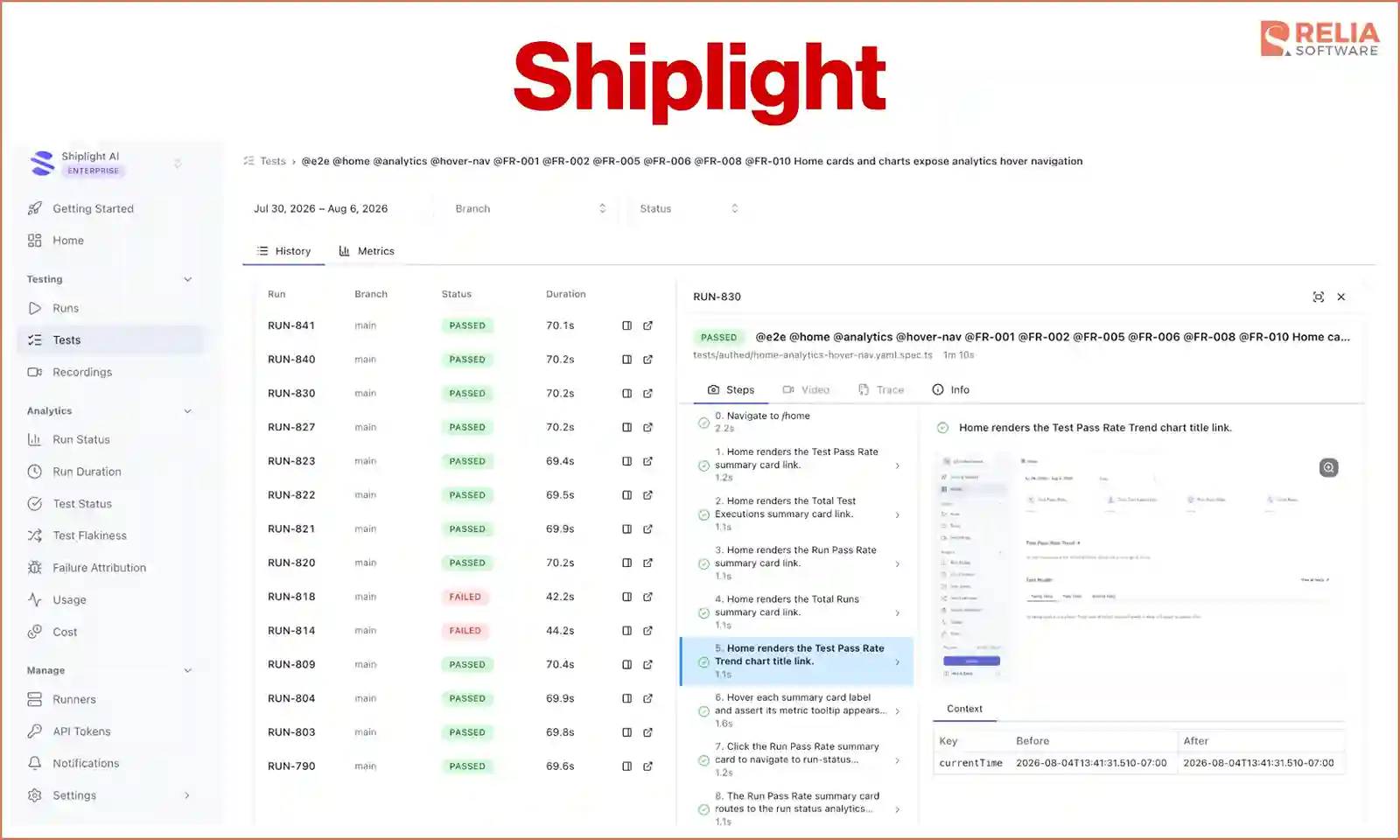
Shiplight is the verification platform for AI-native development. It helps teams using coding agents verify UI changes in a real browser, then turn those verified flows into maintained end-to-end regression tests.
Shiplight is different from traditional UI automation tools because it starts inside the development workflow. When a coding agent changes the application, Shiplight gives the agent a real browser to exercise the affected flow, inspect what happened, diagnose failures, and create or update the test in the same session.
The tests are written as readable, intent-based YAML and stored in the team’s repository. Teams can run them locally or in CI, and routine UI changes can self-heal from the original test intent instead of breaking on every selector change.
Shiplight is mainly focused on web E2E testing and regression coverage. Therefore, teams that only need API testing, backend unit test generation, or native mobile testing will likely need a different tool alongside it.
Primary testing focus
- Browser-based UI verification
- End-to-end regression testing
- Coding-agent test creation and maintenance
Ideal for
- Teams using Claude Code, Cursor, Codex, GitHub Copilot, or similar coding agents
- Frontend and full-stack teams shipping frequent UI changes
- Engineering teams that want test coverage to grow as features are built
- Teams that want readable E2E tests stored in their own repository
- Teams that want tests to run locally or in CI
Agent characteristics
- Gives coding agents a real browser to verify UI changes
- Connects through Shiplight’s browser MCP server and Skills
- Turns verified flows into maintained E2E tests
- Self-heals routine UI changes based on user intent
- Produces reviewable test files that live in the team’s Git repository
- Works alongside existing Playwright-based workflows
Best fit
Shiplight is best for teams that already use coding agents and need verification built directly into development. It is especially useful when UI changes are moving faster than manual test creation, and maintenance can keep up.
Virtuoso
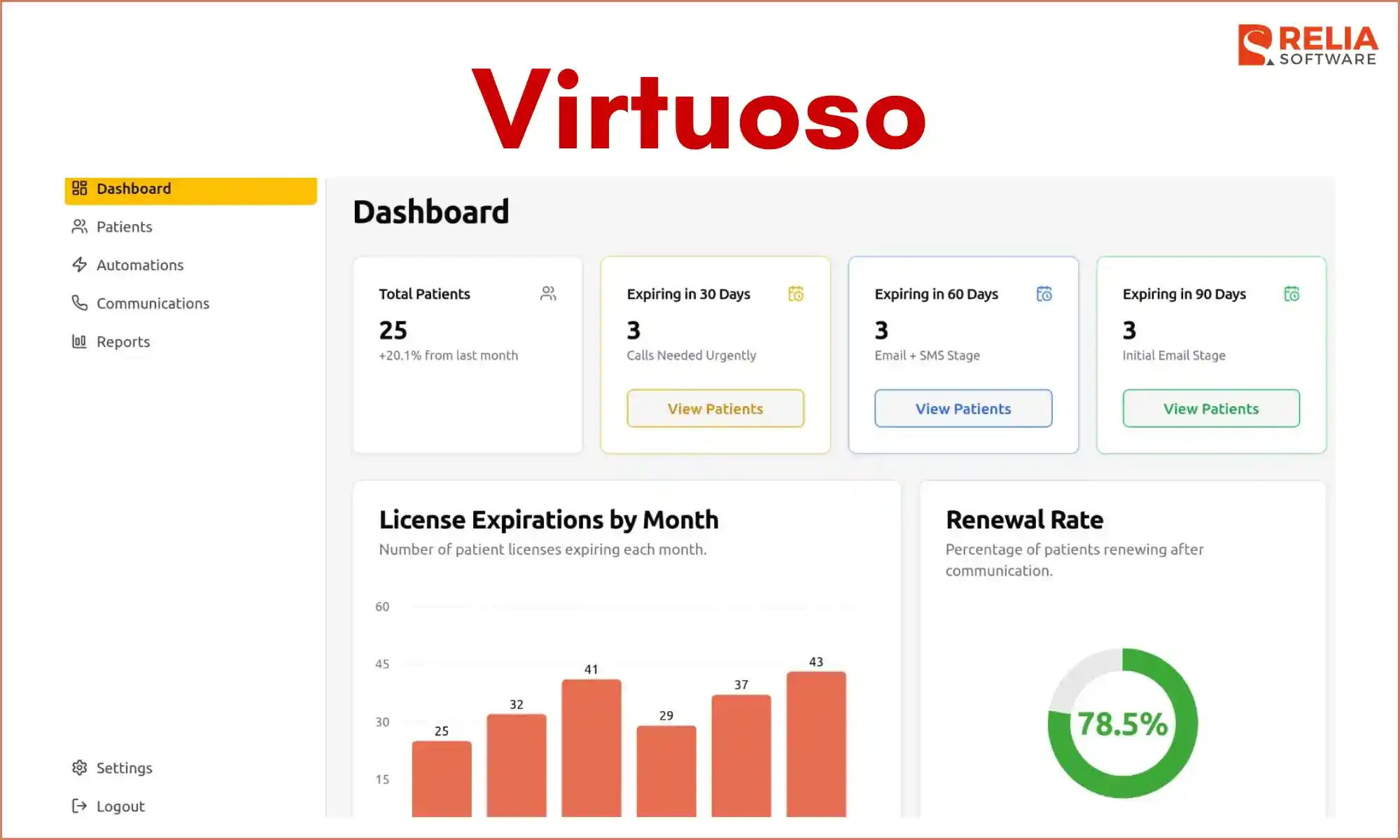
Virtuoso is mainly used for AI-driven end-to-end testing for browser-based applications. Its strength is in handling full user journeys across browsers without relying heavily on fragile scripts. The tool supports self-healing tests, focusing on how the interface behaves rather than how the code is written, which helps reduce script maintenance when UI changes frequently.
Primary testing focus
- UI and end-to-end testing
- Web-based user flows across different browsers
Ideal for
- Frontend-heavy applications where most logic is visible in the UI
- Products with fast release cycles and frequent UI updates
Agent characteristics
- Strong UI self-healing, allowing tests to adapt when elements change
- Lower script maintenance compared to traditional UI automation
- Human-on-the-loop oversight, where the agent runs tests on its own, but the results are reviewed by testers
>> Read more: Top 10 Best End-to-End Testing Tools and Frameworks
Testim
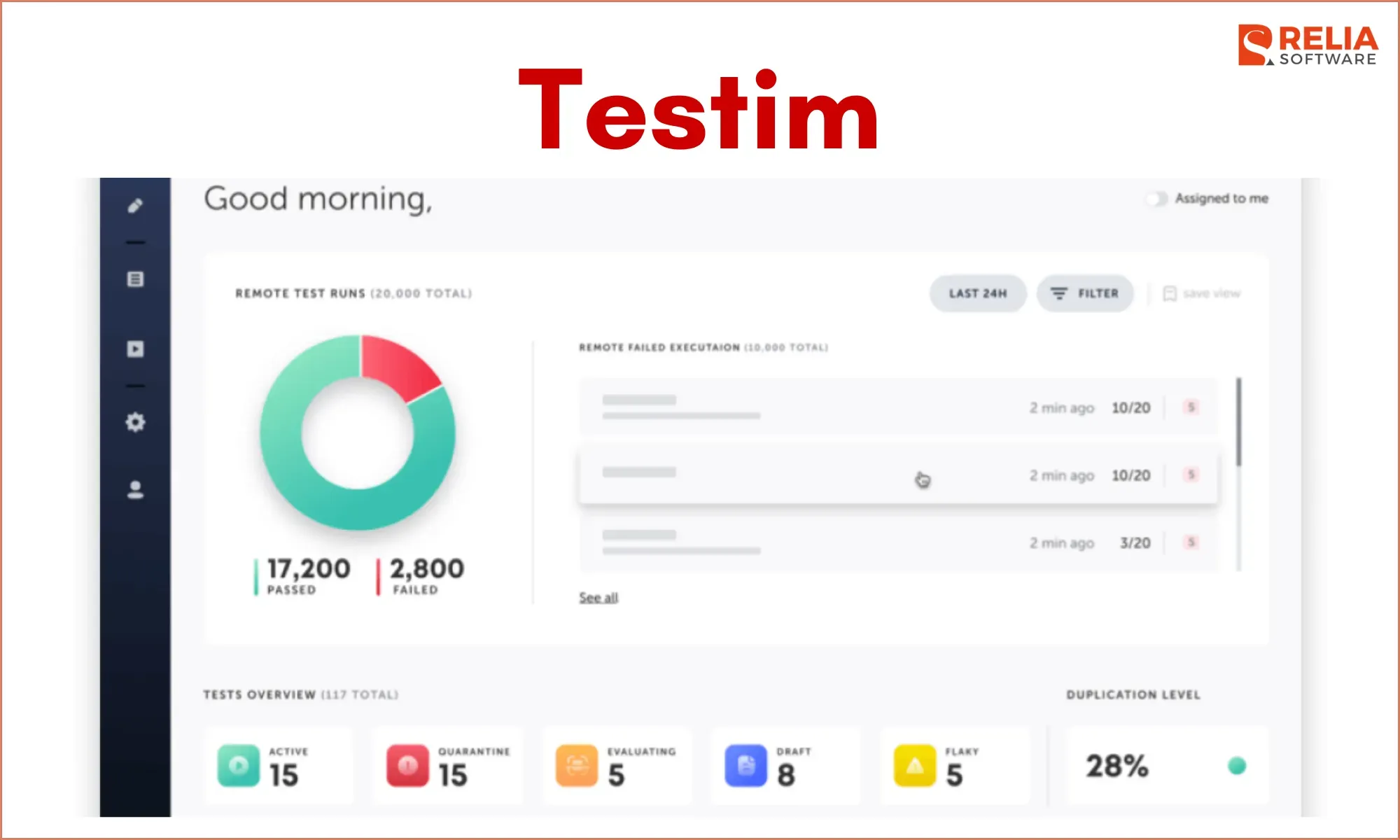
Testim is commonly used to stabilize and maintain UI tests as applications change. It works best as a layer that improves how current UI tests behave when layouts, components, or selectors are updated. This makes it a practical choice for teams that already rely on UI regression testing but struggle with frequent breakage.
Primary testing focus
- UI regression testing
- Component-level frontend validation
Ideal for
- Product teams with existing UI automation
- Applications with frequent UI refactors
Agent characteristics
- AI-assisted test stabilization
- Semi-autonomous behavior
- Requires human review for assertions
Mabl
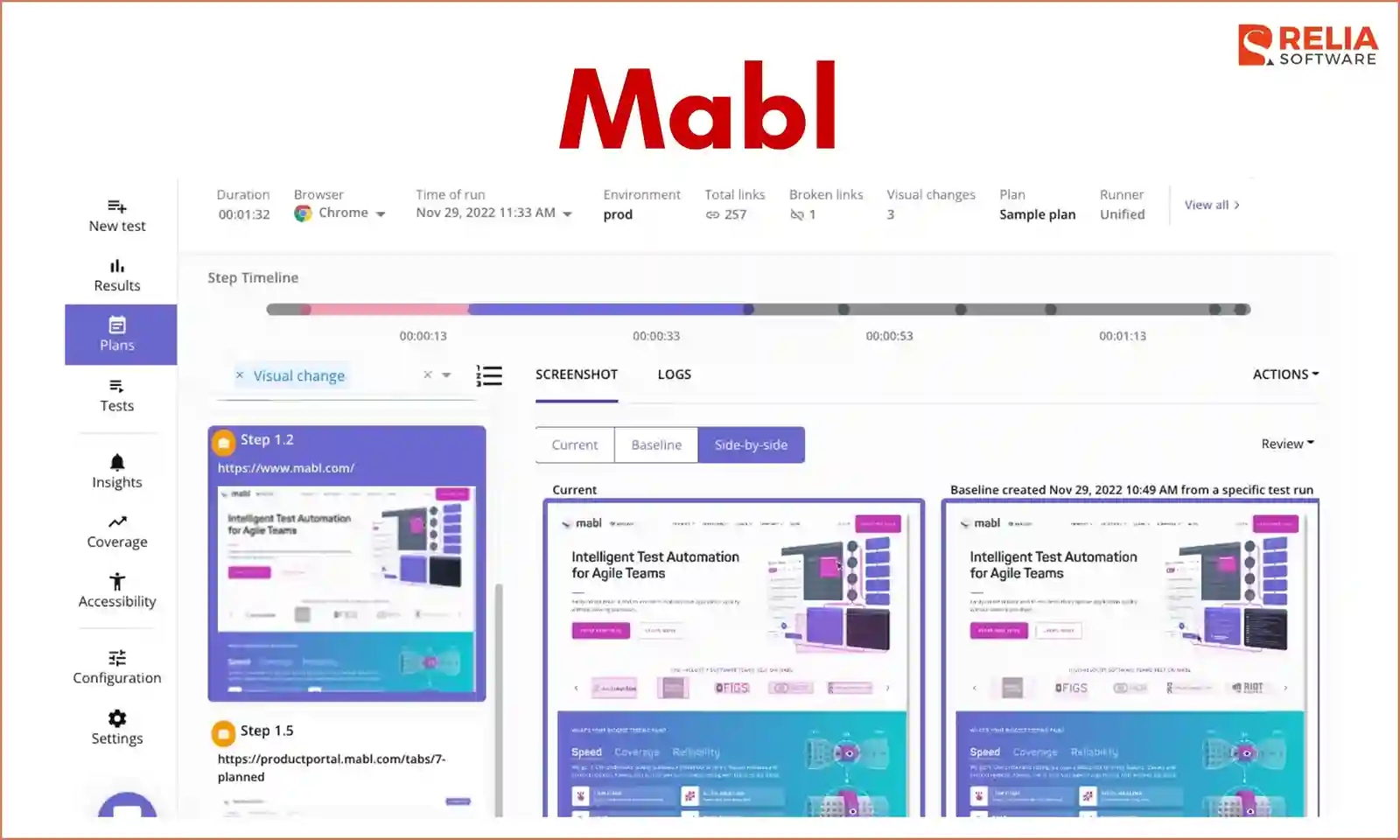
Mabl is often used by teams that want testing to run continuously as part of their delivery process. This agent connects both into a single flow, allowing teams to see how changes in one part of the system affect the whole application. The tool pays close attention to how the application behaves over time and uses that behavior to guide regression testing.
Primary testing focus
- End-to-end testing across UI and APIs
- Change-aware regression testing
Ideal for
- SaaS products with active CI/CD pipelines
- Teams that rely on frequent releases and continuous testing
Agent characteristics
- Learns from application behavior across test runs
- Strong CI/CD integration that supports automated execution
- Moderate explainability, with some agent decisions requiring review
>> Read more: Top 12 API Testing Tools for Software Testing Process
Functionize
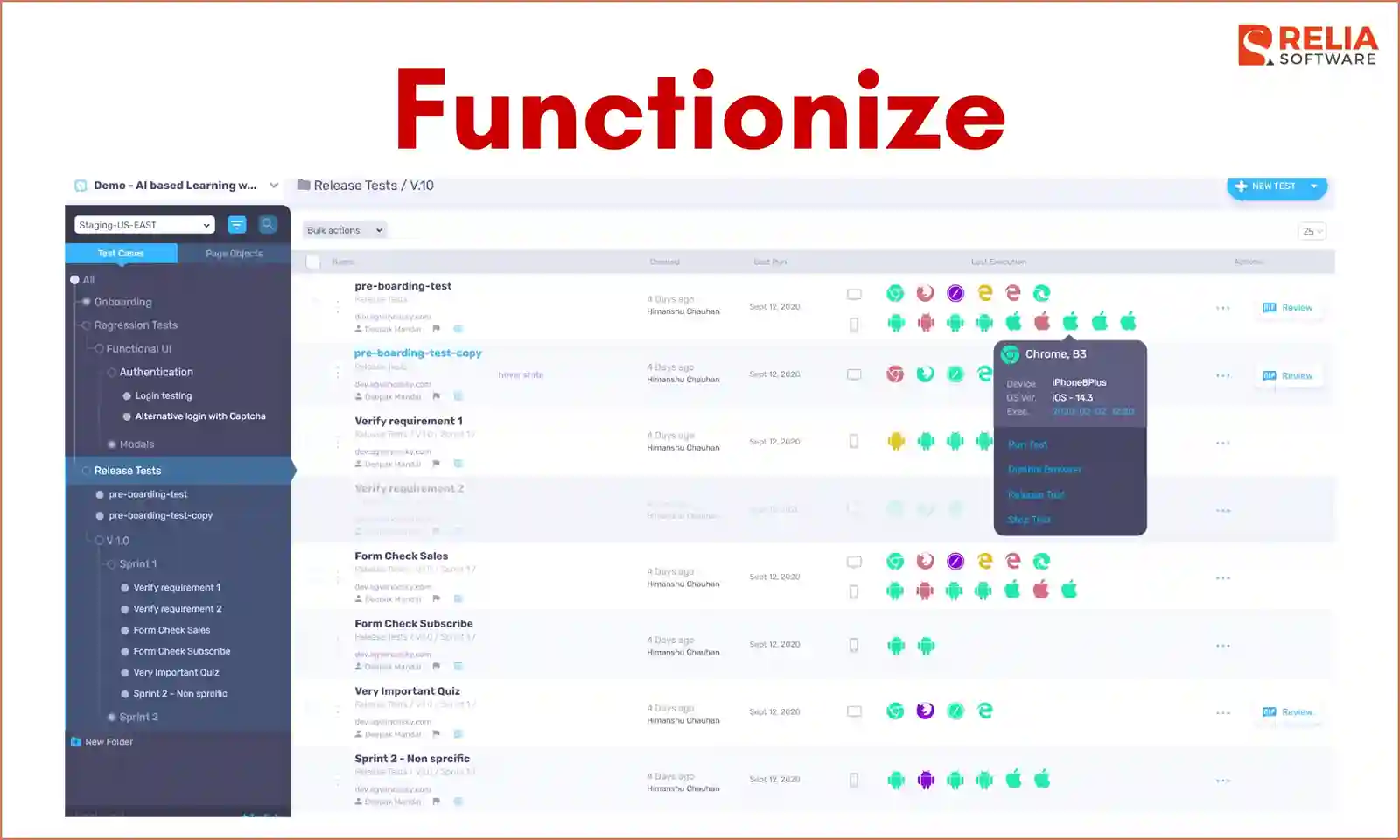
For teams looking to improve test reliability at scale, scalable automated testing by Functionize helps manage large UI test suites while reducing the effort required to maintain them. Using visual AI testing and DOM understanding, Functionize helps tests stay stable even when the UI changes in small but frequent ways.
Primary testing focus
- UI automation and regression testing
- Visual and DOM-based testing
Ideal for
- Large regression suites that are costly to maintain
- Enterprise-scale applications with many screens and flows
Agent characteristics
- Autonomous test maintenance that reduces manual updates
- Strong self-healing when UI elements change
- Less granular manual control compared to script-based tools
AccelQ
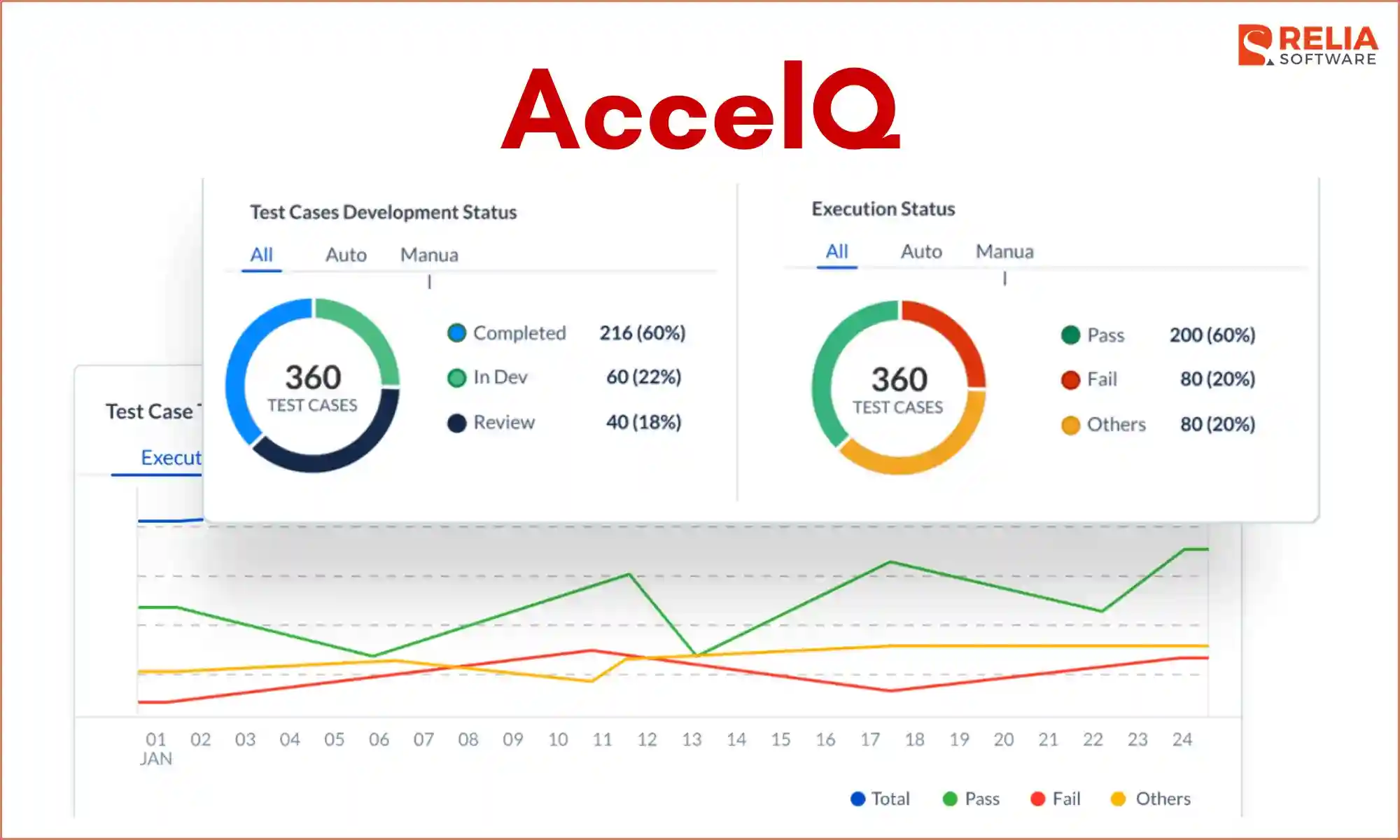
AccelQ is mainly used by teams that want to reduce reliance on test scripts and coding skills. It supports low-code and codeless QA automation while using AI to handle changes in the application. This makes it easier to scale testing without increasing manual effort or deep technical setup.
Primary testing focus: Codeless AI-driven QA automation
Ideal for
- Enterprise teams that want low-code or no-code testing
- QA teams with mixed technical skill levels
- Projects where the speed of test creation matters more than custom logic
Agent characteristics
- Automatic test case generation based on application flows
- Self-healing tests that adapt when UI elements change
testRigor
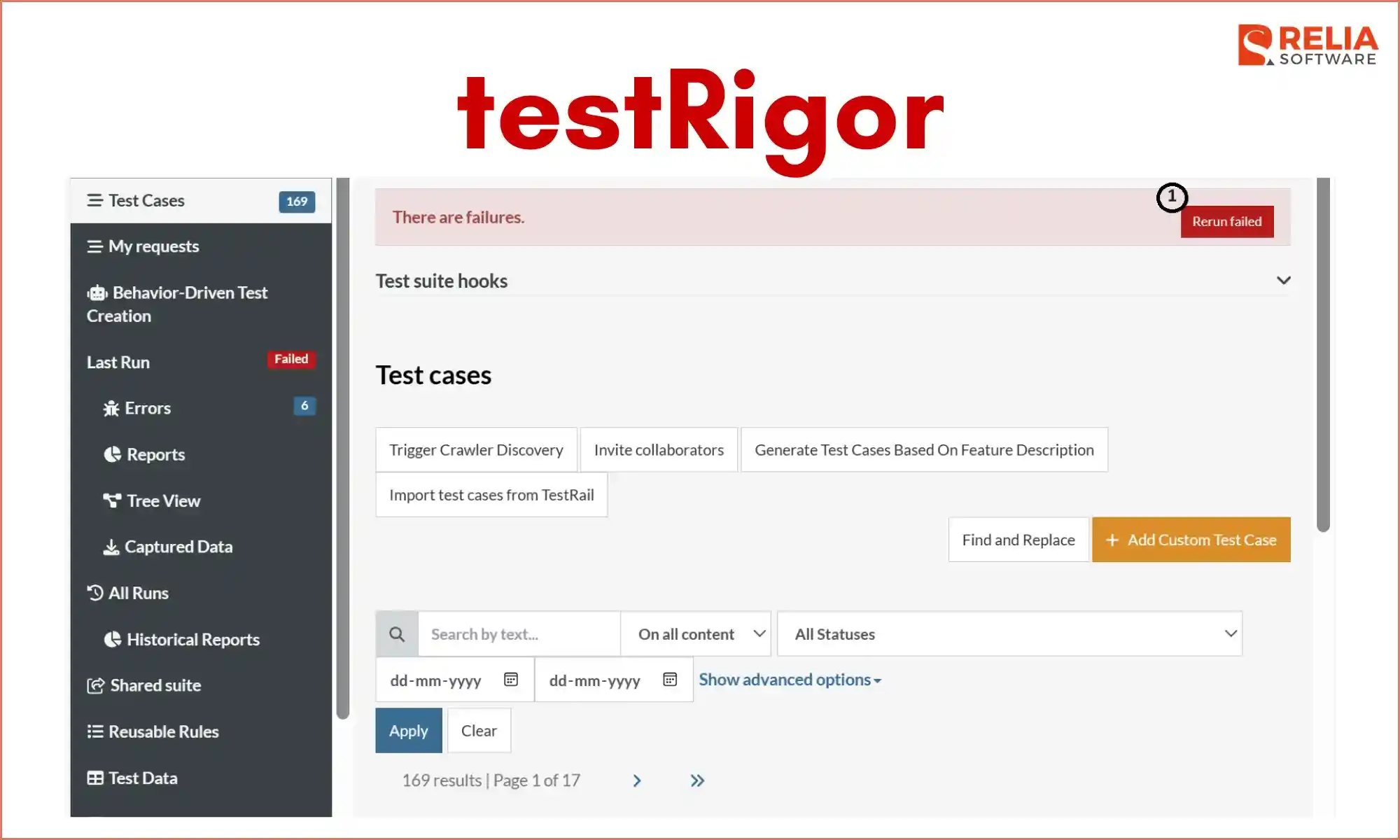
testRigor is built around the idea that tests should be written the same way people describe how an application is used. It supports natural language test creation, allowing teams to create tests using plain English with the help of generative AI.
The teams have to describe actions and checks in plain language; then the system turns those descriptions into executable tests. This approach helps reduce the gap between product knowledge and test automation, especially in teams where not everyone is comfortable with code.
Primary testing focus: Natural-language AI test automation
Ideal for
- QA teams that want to write tests in plain English
- Product-focused teams where testers think in user actions, not code
- Projects where test readability is more important than fine-grained control
Agent characteristics
- Generative test creation based on natural language prompts
- Automatic handling of UI changes without updating test text
LambdaTest AI Agents
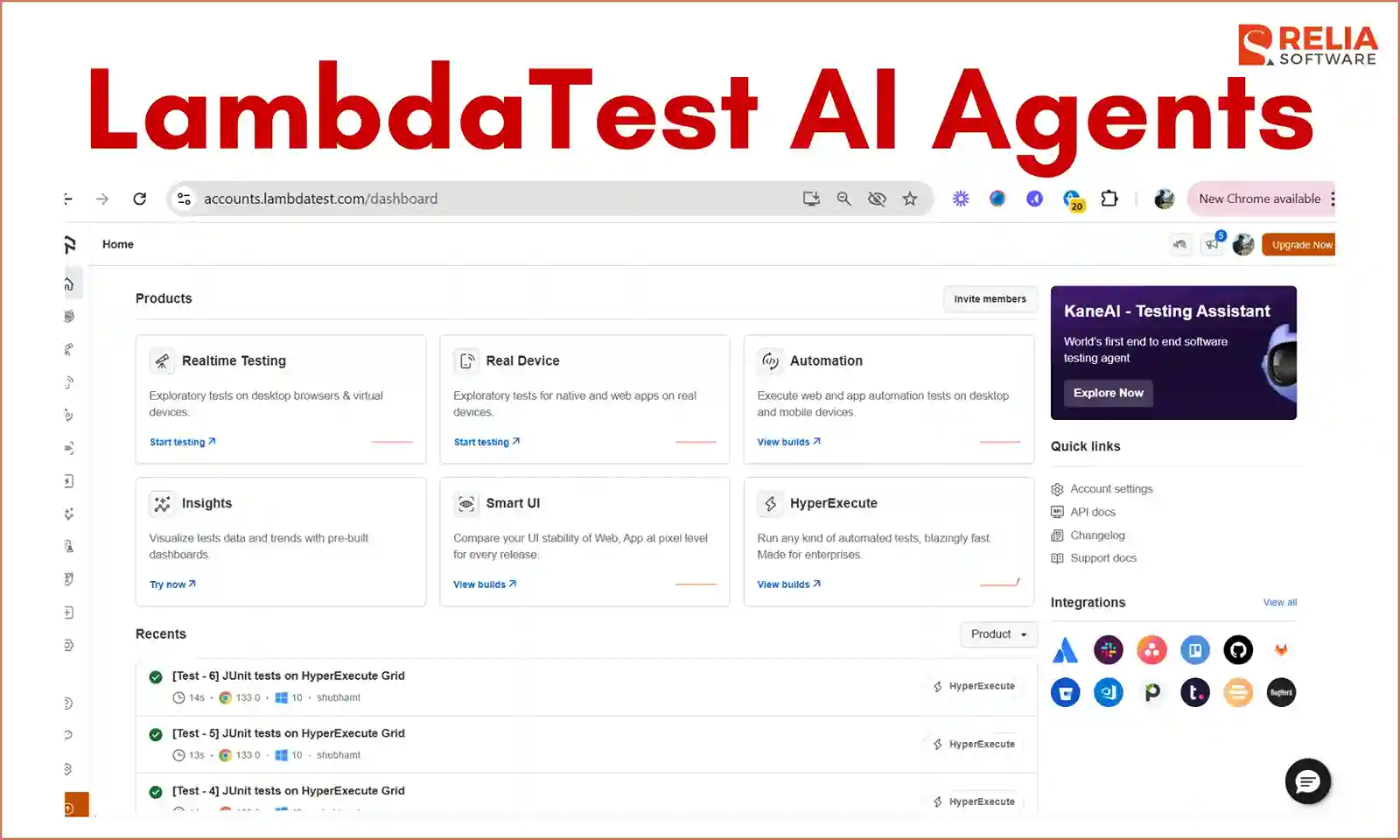
LambdaTest AI Agents are mainly used to support cross-browser and cross-device testing in cloud environments. These agents help teams plan, run, and analyze tests more efficiently in a cloud setup. The focus is on scale and coverage, especially when applications must work consistently across different devices and browser versions.
Primary testing focus: AI-assisted cross-browser and cloud testing
Ideal for
- Teams that need to run tests in parallel across many browsers
- Products that must support a wide range of devices and screen sizes
- QA teams managing large test runs under time pressure
Agent characteristics
- Intelligent insights that help prioritize and organize test execution
- Smart integrations with common automation tools and CI pipelines
Testsigma
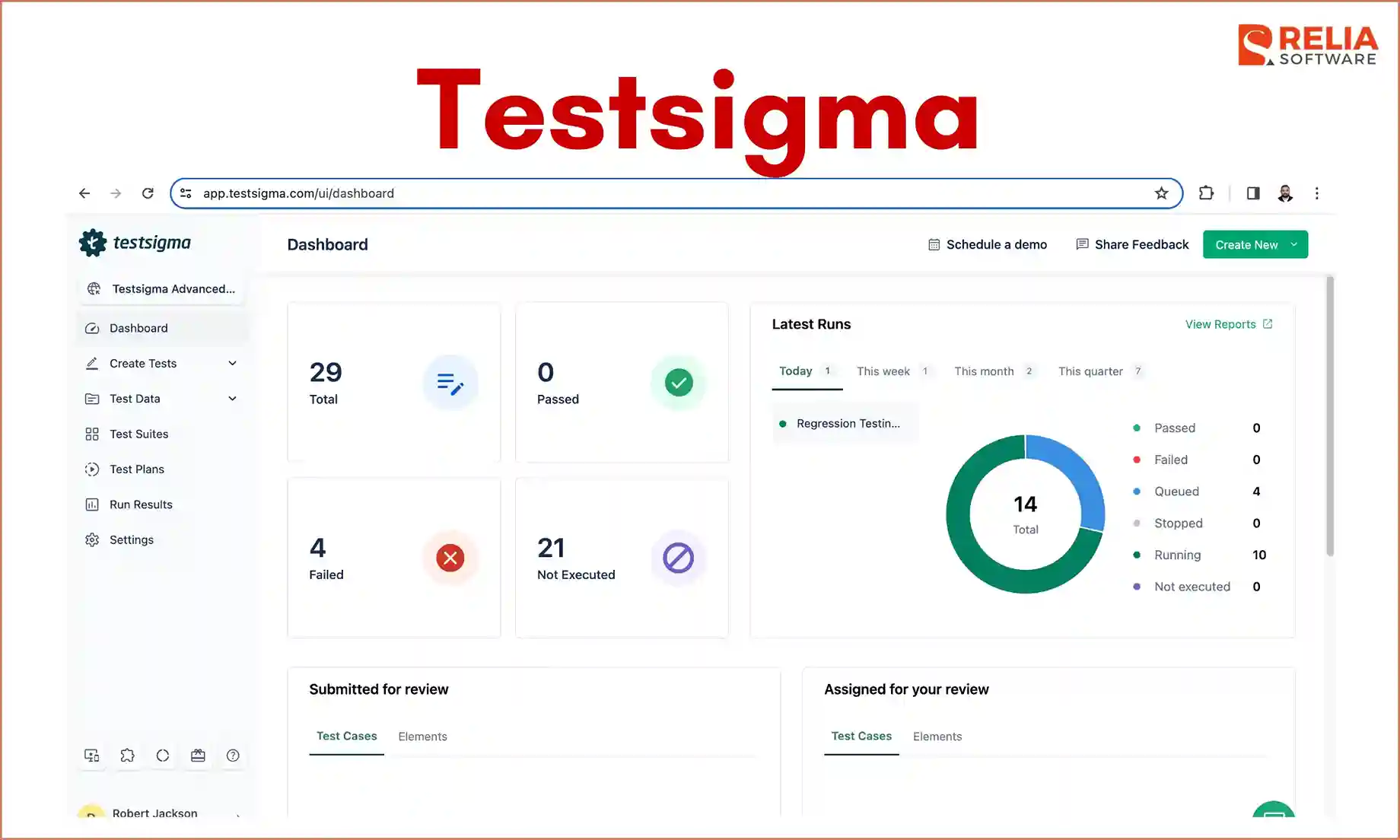
Testsigma supports low-code AI-assisted test automation for both web and mobile apps, helping teams manage cross-platform testing with less setup effort. Teams can describe test steps in simple language and let the system handle execution across environments. This helps reduce setup effort and keeps tests easier to read and update as the product grows.
Primary testing focus: Low-code AI-assisted test automation
Ideal for
- Teams that want a single solution for web and mobile testing
- QA teams with limited coding resources
- Projects that need quick test creation and easy updates
Agent characteristics
- Test creation using natural language inputs
- Automatic maintenance when UI elements or flows change
Diffblue
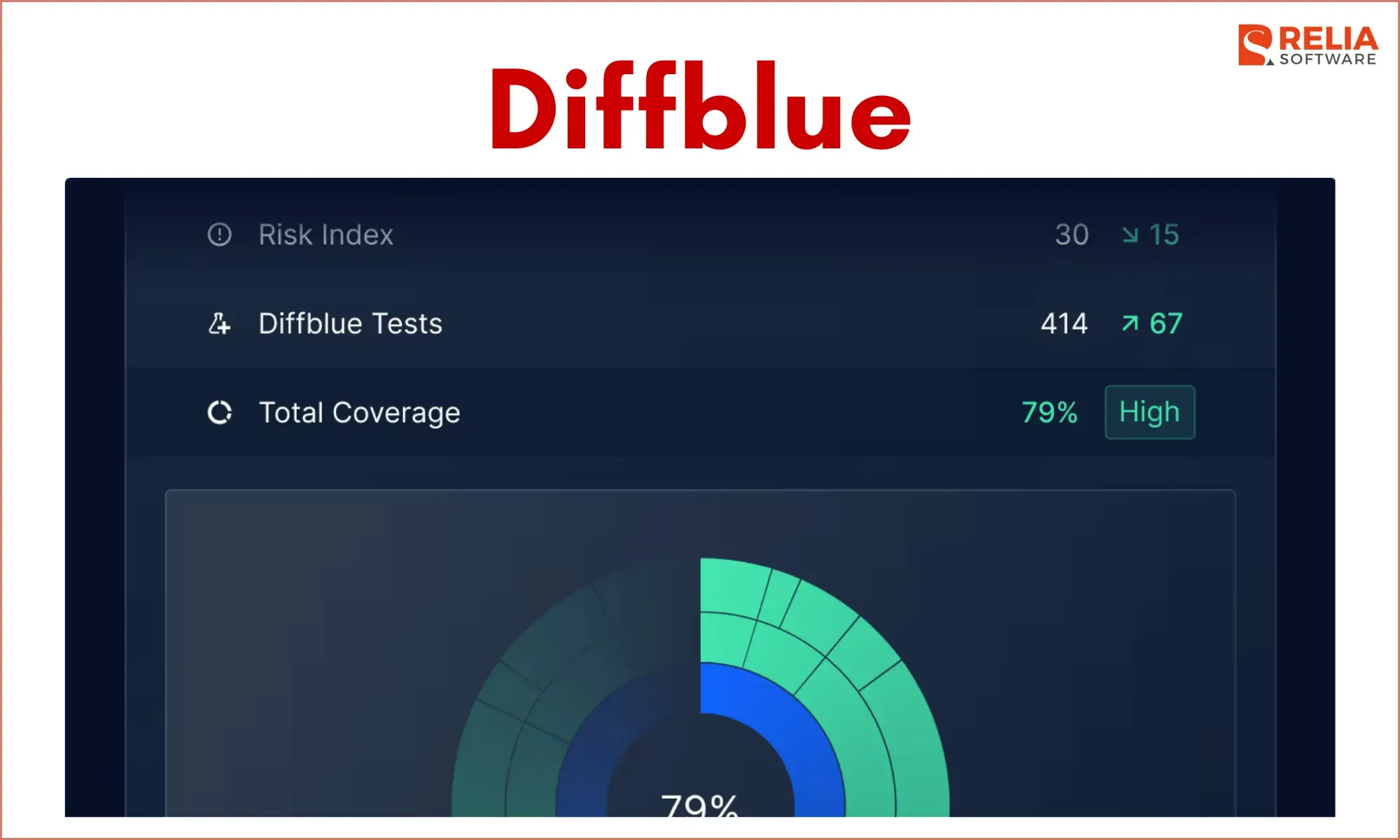
Diffblue is used in situations where most risk lives in backend logic rather than the UI by looking directly at the source code and reasoning about how methods behave. It focuses on backend and unit-level testing by using AI to analyze source code and generate unit tests automatically, helping teams improve unit test coverage.
Primary testing focus
- Backend and unit-level testing
- Java codebases
Ideal for
- API-heavy applications where business logic is critical
- Systems with complex rules and conditions
- Teams that struggle to maintain or expand unit test coverage
Agent characteristics
- Code-level AI reasoning based on program behavior
- Automatically generates and updates unit tests
- Narrow testing scope, but high autonomy within that scope
>> Read more: Comprehensive Guide for Golang Unit Test with Code Examples
Sealights
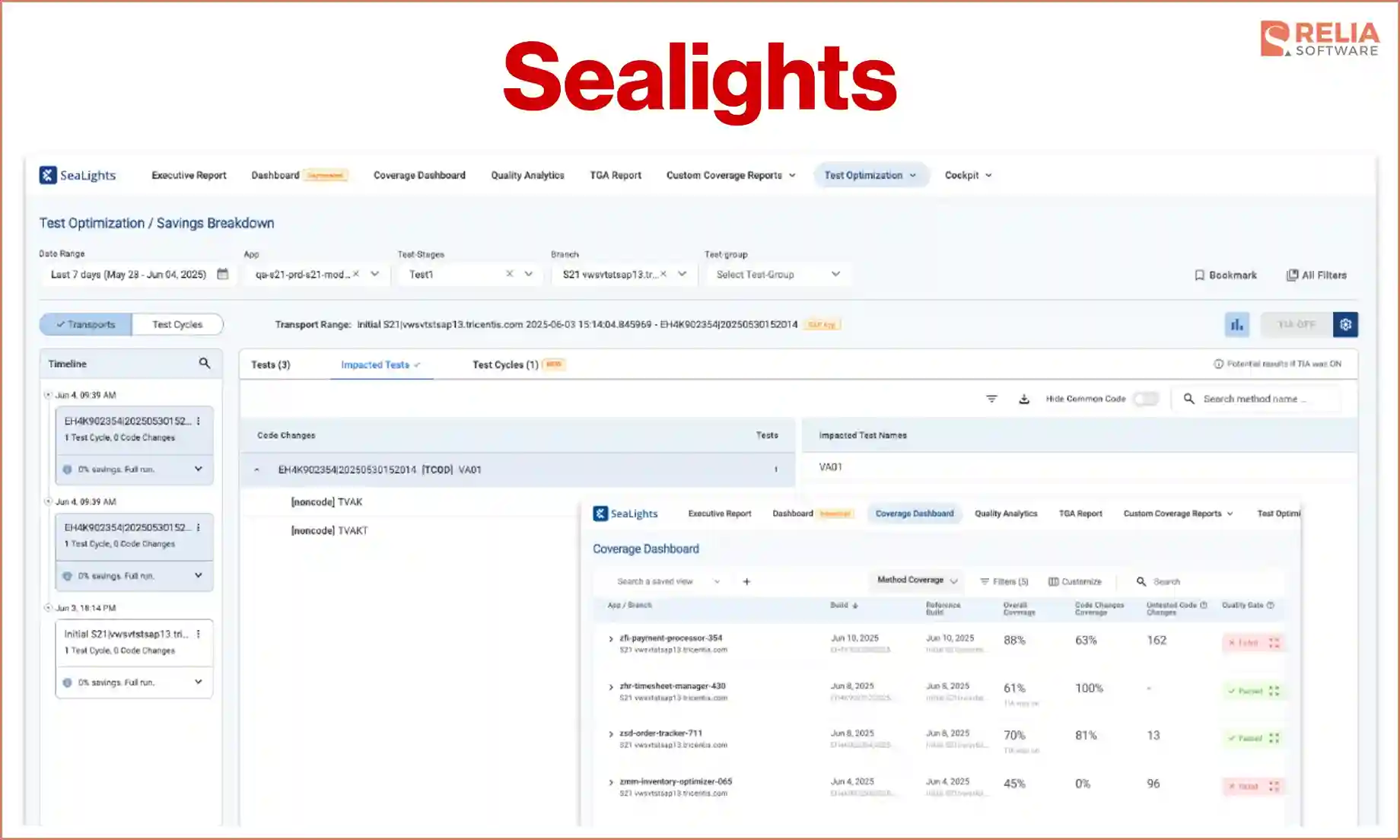
SeaLights acts as a test intelligence agent, helping teams decide what should be tested after a change instead of running every test. It connects development activity, test execution, and production data to show which parts of the system are affected by recent updates. This makes it useful in environments where running every test on every release is not realistic.
Primary testing focus
- Regression testing and change impact analysis
- Production-aware testing
Ideal for
- Large enterprise systems with many teams and services
- Applications with long and complex release cycles
- Environments where test execution time must be carefully controlled
Agent characteristics
- Risk-based test selection that focuses on changed and affected areas
- Strong analytics and traceability between code, tests, and releases
- Acts more as an intelligence agent that guides testing, rather than executing tests directly
Aqua
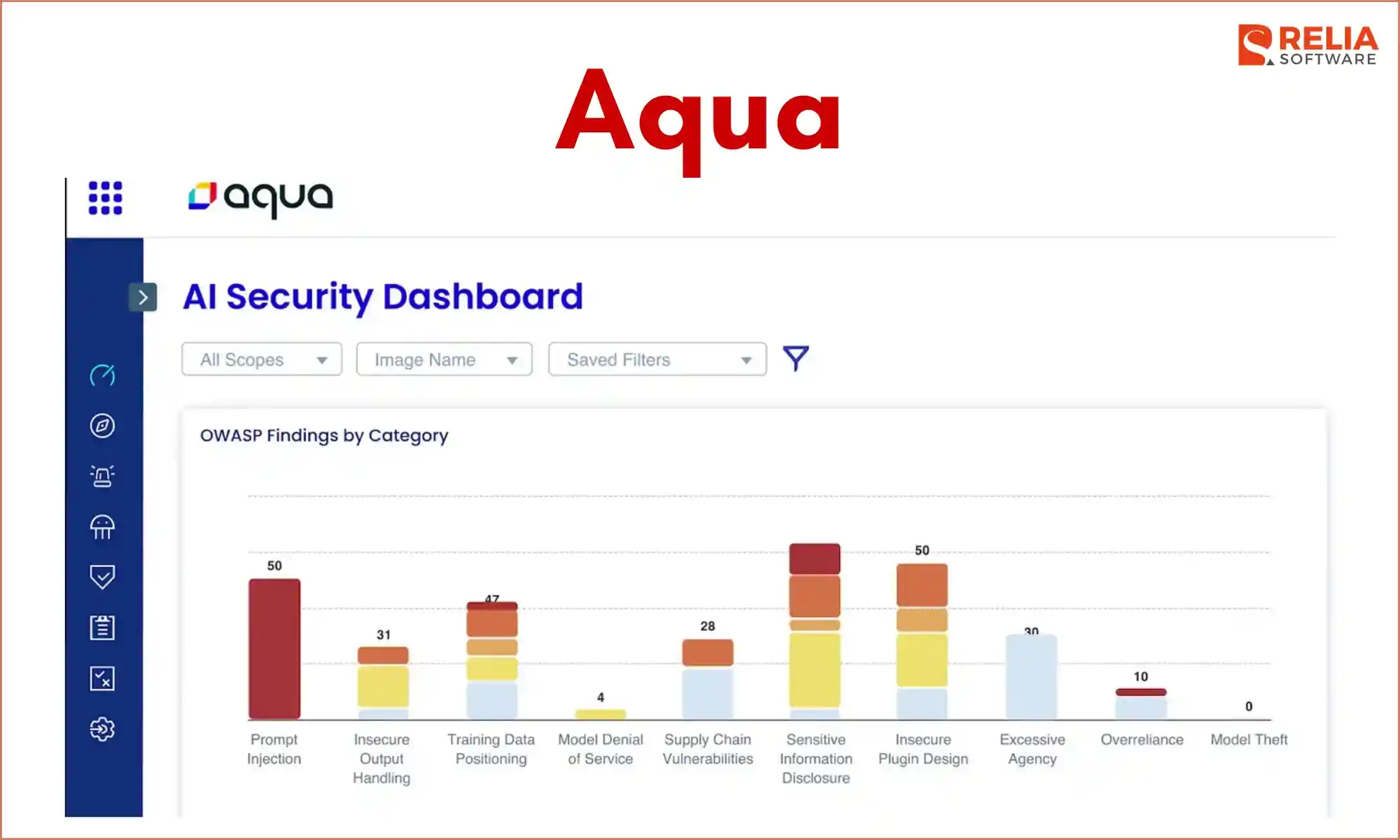
Aqua is usually chosen by teams that need strong control over how testing is planned and coordinated, especially when many test types exist at the same time. It supports test planning, regression orchestration, and QA governance, helping teams manage large and mixed testing environments. It is mostly useful in environments where testing is spread across tools, teams, and release stages.
Primary testing focus
- Regression orchestration
- Test planning and execution strategy
Ideal for
- Teams managing large and diverse test portfolios
- Organizations that combine manual testing with automated tests
- Projects that require clear ownership and reporting across QA activities
Agent characteristics
- AI-assisted decision support for test planning and prioritization
- Limited full autonomy, with humans guiding most decisions
- Strong governance and auditability for tracking tests, results, and approvals
ReadyAPI
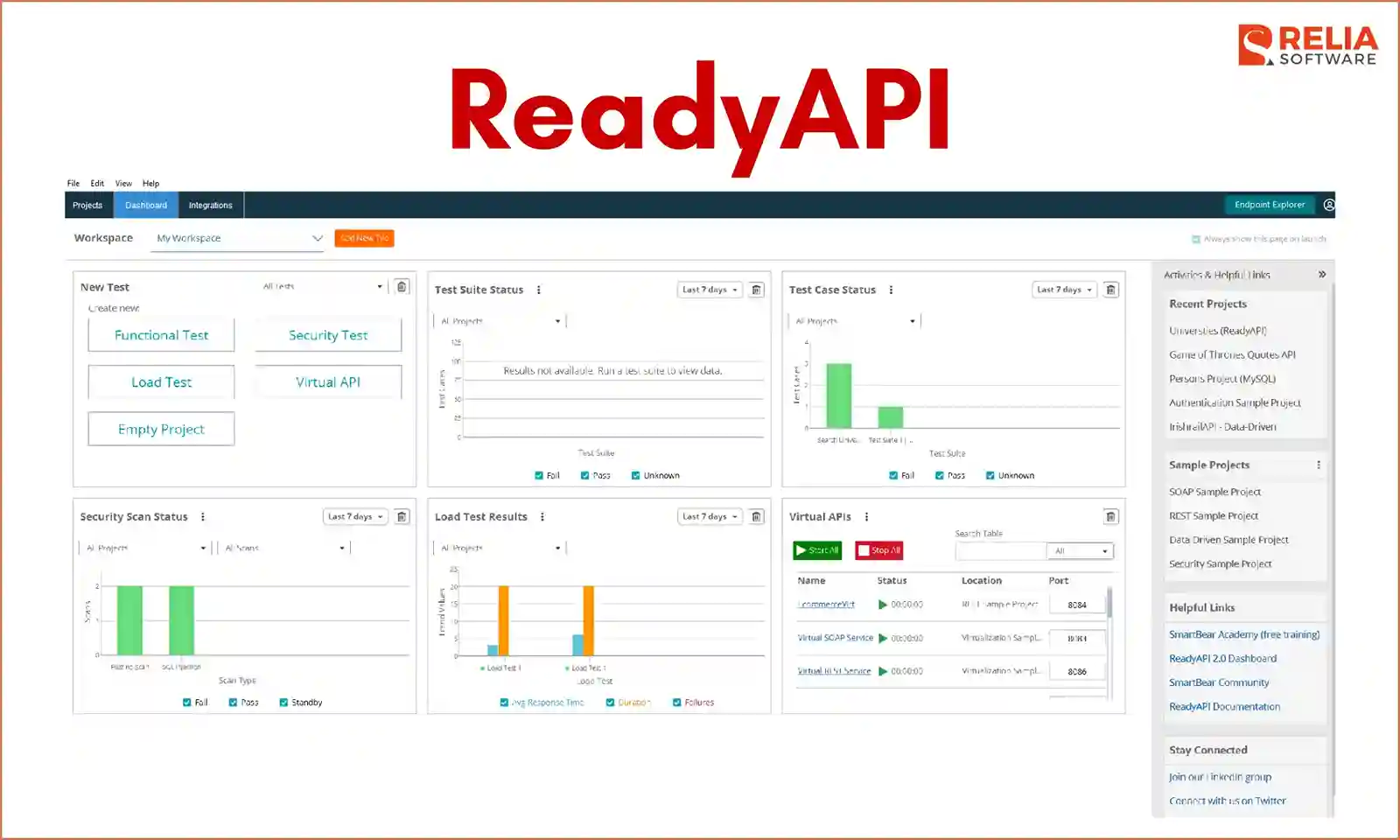
ReadyAPI is mainly used for testing how backend services behave and interact with each other. It focuses on API functional testing and performance testing rather than user interfaces, supporting backend and integration testing in CI/CD pipelines. Teams often rely on it to check whether services return the right data, handle errors correctly, and keep working as systems grow and change.
Primary testing focus
- Functional testing
- Performance testing
Ideal for
- Backend-heavy applications with many services
- Integration testing between internal and external APIs
- CI/CD pipelines where API tests must run on every build
Agent characteristics
- Automated generation of API test cases based on definitions and traffic
- Smart validation of responses to catch unexpected changes
- Reduced manual effort when APIs evolve over time
>> Read more: 7 Leading Performance Testing Tools for Developers
FAQs
1. Which AI is best for software testing?
There is no single AI that works best for all testing needs. The right choice depends on what you are testing, such as UI, APIs, backend logic, or regression. Teams usually get better results by choosing an AI testing agent that fits their main testing focus.
2. Which AI testing agents are mostly used for frontend-heavy applications?
For front-end focused projects, agents that handle UI and browser flows are often chosen, such as:
- Virtuoso
- Mabl
- Testim
- Functionize
These tools help keep UI tests stable even when layouts change.
3. How much human oversight do AI testing agents require in practice?
Most AI testing agents still need human oversight. Teams usually review results and step in when something looks wrong, especially during early use or after major changes.
4. Can one AI testing agent cover UI, API, and regression testing?
In most cases, one agent cannot cover all areas equally well. Teams often use different tools for UI, API, and regression testing to get better and more reliable results.
>> Read more:
- Top 6 Open-source AI Agent Frameworks
- 7 Best Golang AI Agent Frameworks You Should Know
- Top 12 AI Tools for DevOps Teams to Improve Performance
Conclusion
Choosing the right leading AI agents in software testing helps teams keep testing stable and manageable by choosing tools based on real use cases rather than popularity. By understanding their differences and how much control each agent needs, teams can choose tools that reduce maintenance work and keep testing stable as the application changes.
>>> Follow and Contact Relia Software for more information!

- testing
- development