Industry Leaders Trust Us








Why Choose Ruby on Rails for Web Development?

Faster Time to Market
Ruby on Rails comes with many built-in features and conventions, allowing development teams to spend less time on setup and more time building product features.

Startup-Friendly Framework
Many successful startups chose Ruby on Rails to launch their first product because it enables rapid iteration and efficient product development.

Built for SaaS Products
Subscription management, user authentication, dashboards, admin panels, and business workflows can be implemented quickly using Rails.

Convention Over Configuration
Rails follows established development patterns, reducing repetitive decisions and helping teams maintain cleaner codebases.

Large Ecosystem of Gems
Thousands of mature Ruby gems help accelerate development for authentication, payments, background jobs, APIs, file management, and more.

Easy to Maintain and Extend
Rails applications are structured in a way that makes future enhancements, feature additions, and scaling more manageable.

Strong Community Support
Ruby on Rails has a mature global community, extensive documentation, and long-term ecosystem support.

Proven by Leading Tech Companies
Companies such as GitHub, Shopify, Airbnb, and Basecamp used Ruby on Rails to build and scale their platforms.
What We Offer Under Ruby on Rails Development Services?
Ruby on Rails Web App Development
We build custom web applications from customer-facing platforms to internal business system tailored to your business model, user workflows, and product roadmap.
MVP Development
Need to validate an idea quickly? Rails allows us to build MVPs rapidly without sacrificing code quality, helping startups launch, test, and gather feedback sooner.
Ruby on Rails API Development
We build secure and scalable APIs that power web applications, mobile apps, third-party integrations, and modern frontend frameworks.
Marketplace Development
Marketplaces require user management, transactions, messaging, payments, and complex workflows. Rails provides a strong foundation for these types of platforms.
Ruby on Rails Modernization & Migration
We help modernize legacy Rails applications, upgrade outdated versions, improve performance, and migrate applications from other frameworks when needed.
Third-Party Integration Services
From payment gateways and CRM platforms to analytics tools and cloud services, we integrate your Rails application with the systems your business depends on.
Ruby on Rails Support & Maintenance
Our team provides ongoing support, upgrades, performance improvements, bug fixes, security updates, and long-term technical maintenance.
What Types of Applications Commonly Use Ruby on Rails?

SaaS Platforms
Subscription-based software products, customer portals, and business management applications.

Startup MVPs
Products that need to launch quickly and validate market demand before larger investments.

Project Management Tools
Collaboration platforms, workflow management systems, and productivity applications.

Social Networking Platforms
Community-driven websites, content-sharing platforms, and user-generated content applications.

eCommerce Platforms
Online stores, product catalogs, order management systems, and commerce applications.

Booking & Reservation Systems
Appointment scheduling, travel booking, event management, and reservation platforms.

Internal Business Applications
Custom CRM systems, operational dashboards, workflow tools, and administrative portals.
Ruby on Rails Technologies We Work With























Frequently Asked Questions
Ruby on Rails helps startups launch products faster thanks to its convention-based architecture, large ecosystem, and rapid development capabilities.
Yes. Platforms such as GitHub and Shopify have demonstrated that Rails can scale to support millions of users when built and optimized properly.
Hiring a Ruby on Rails developer in Vietnam typically ranges from $800–$2,000+/month, depending on experience, architecture knowledge, and communication skills.
When your project requires high-concurrency systems, intensive real-time processing, AI/ML workloads, graphics-heavy applications, or large-scale microservices architectures, other technologies like Go, Node.js, Python, or Java can alternate RoR better.
Related Project Showcases
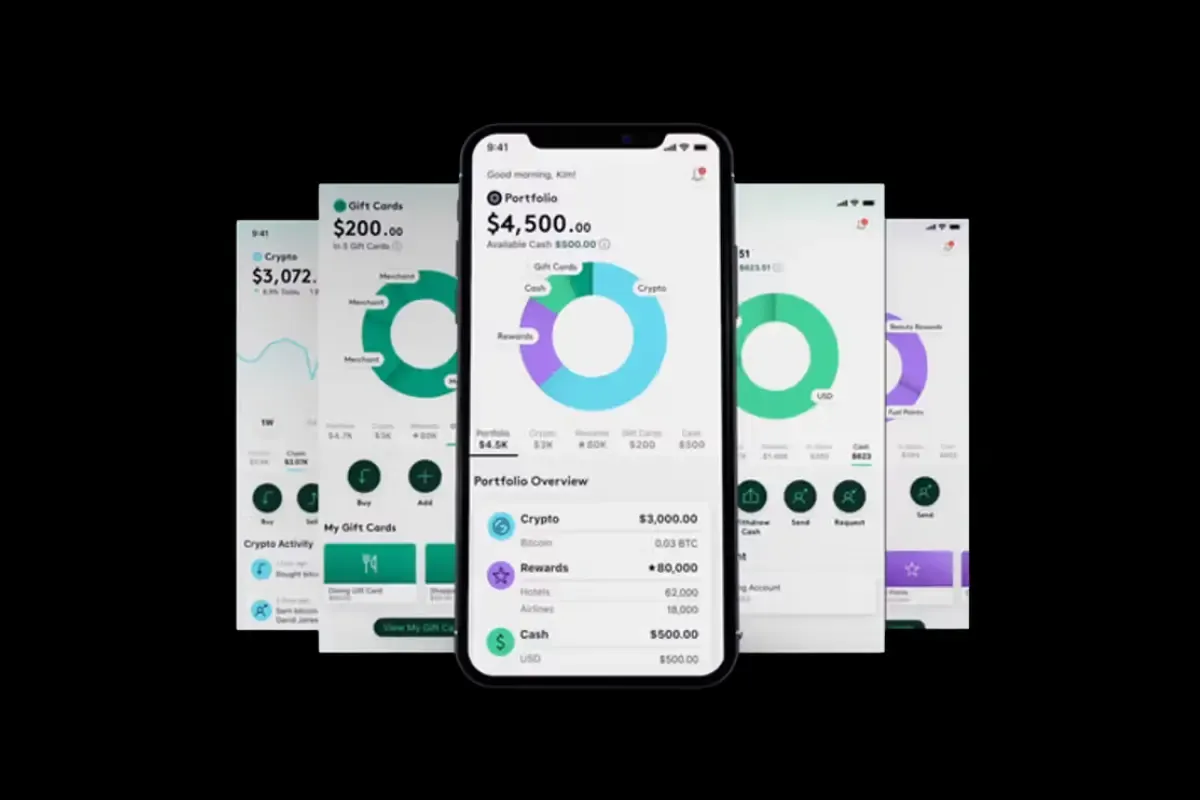
Finch App
Finch App was part of Bakkt’s fintech and loyalty technology ecosystem, where Relia Software supported web, mobile, backend, DevOps, and production operations.
The project used Ruby on Rails alongside Java, Spring, React.js, SQL Server, MongoDB, AWS, and CI/CD tools to support loyalty rewards, wallet payments, fraud detection, API integrations, and zero-downtime deployment.

Swipe
Swipe brings people together through a location-based social experience where discovery and interaction happen in real time.
Relia Software helped build the platform's backend foundation using RoR, supporting user matching, messaging, notifications, and the high volume of activity that keeps social apps engaging and responsive.
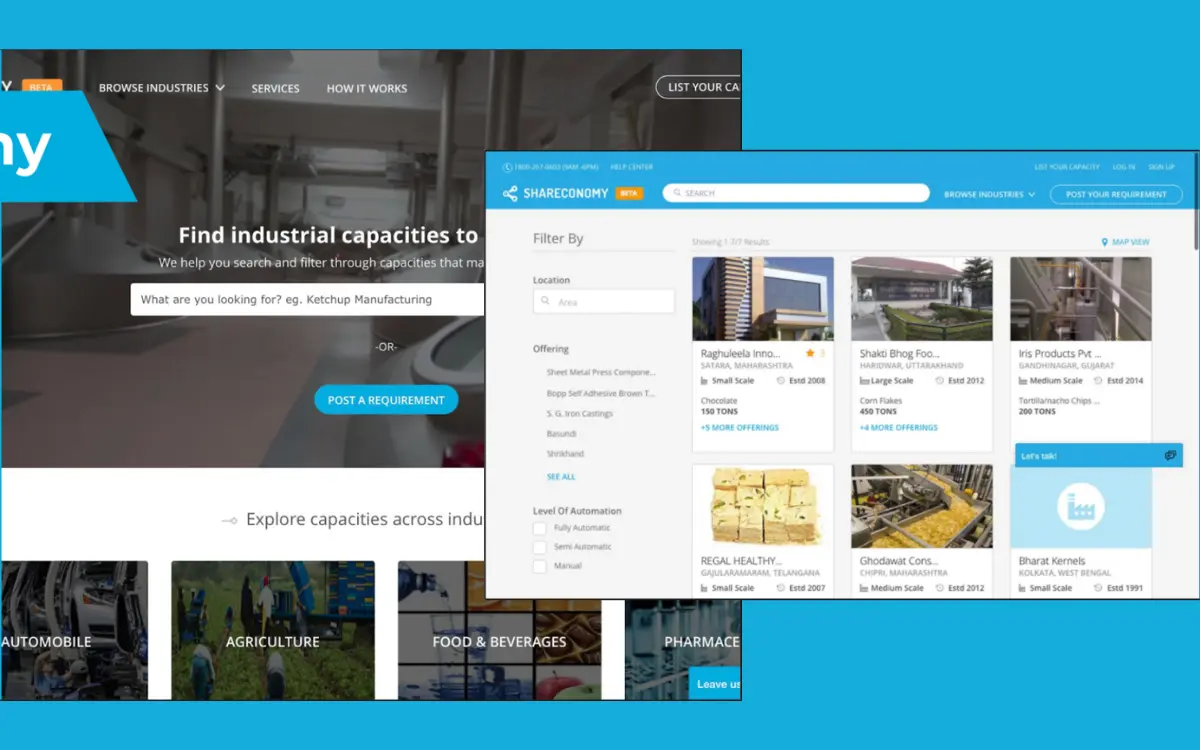
Shareconomy
Shareconomy was created around a simple idea: make it easier for people to share and access resources within their community.
Relia Software developed the marketplace engine behind the platform, enabling users to list items, manage bookings, communicate with each other, and complete transactions through a seamless web experience.

Tally
Tally is a financial management platform built to simplify expense tracking, shared payments, and group spending.
Using Ruby on Rails, Relia Software developed the backend systems that power transaction management, user accounts, reporting features, and financial workflows while maintaining a simple and intuitive user experience.
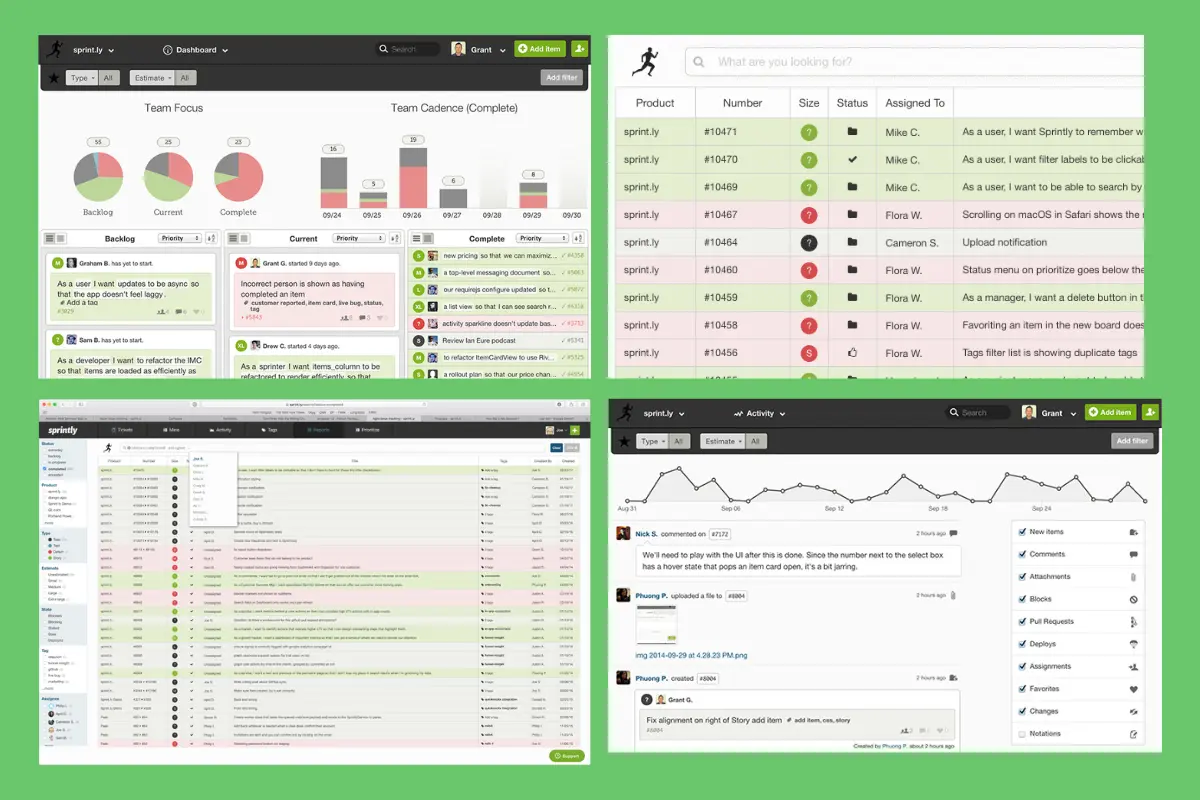
Sprintly
Sprintly is a project management and team collaboration platform created to help software teams organize tasks, track progress, and manage product development more efficiently.
Relia Software supported the platform with scalable backend development, workflow automation, and collaboration features that help teams stay aligned throughout the development lifecycle.
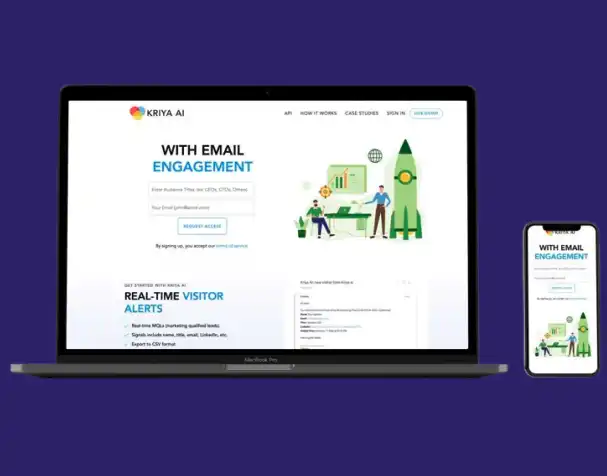
Kriya
Kriya is an AI-driven hiring platform using a React.js frontend with Python and Ruby on Rails backend.
Relia built the web interface, admin panel, conversational bots, NLP-powered talent matching, messaging flows, milestone management, and payment workflows.