Industry Leaders Trust Us








Why Choose Node.js for Backend Development?
High-Traffic Products
Node.js handles many requests at the same time without heavy server overhead, making it useful for products that expect fast growth or unpredictable traffic.
Real-Time Support
Node.js handles instant updates smoothly with WebSockets and event-driven logic, suitable for building chat apps, live dashboards, notifications, etc.
One Language
Using JavaScript or TypeScript across the stack can make development smoother. Frontend and backend teams can share knowledge, patterns, and sometimes even code.
Microservices Fit
Node.js fits naturally into microservices and cloud-native architectures because services stay lightweight and easy to scale independently.
Cloud-Ready
Node.js applications fit well with Docker, Kubernetes, serverless functions, CI/CD pipelines, and modern cloud infrastructure.
Huge Ecosystem
The NPM ecosystem gives developers access to mature libraries for authentication, payments, messaging, testing, logging, monitoring, and integrations.
API-First
Node.js is widely used for REST APIs, GraphQL APIs, mobile backends, and multi-platform systems that need fast communication between services.
Clean Architecture
A clean Node.js architecture can stay maintainable as your product grows, especially when paired with TypeScript, testing, and clear backend structure.
What We Offer Under Node.js Development Services?
Custom Web & Mobile Development
We create custom web applications like responsive single-page applications (SPAs), dynamic websites, and mobile backends using robust Node.js frameworks like Express.js and Nest.js.
Node.js Backend Development
Our team develops backend architectures that stay fast, stable, and maintainable as traffic and system complexity grow. We focus on clean APIs, asynchronous processing, database performance, and scalable infrastructure.
Node.js API Development & Integration
We develop REST APIs, GraphQL APIs, third-party integrations, payment flows, authentication systems, and mobile backend services that keep data moving correctly.
Real-Time Node.js Development
For features that cannot wait for page refreshes, we use Node.js with WebSockets, Socket.IO, queues, and event-driven architecture to support apps like messaging, live dashboards, streaming, etc.
Microservices Architecture Development
We help businesses break large backend systems into scalable Node.js microservices that are easier to deploy, maintain, monitor, and scale independently.
Node.js Migration & Modernization
Old backend systems can slow releases and make every change risky. We help migrate legacy backends to Node.js, refactor outdated architecture, improve API structure, and prepare the system for modern cloud deployment.
Node.js Support & Maintenance
Our support continues after launch with backend optimization, dependency updates, monitoring, bug fixing, security patching, and long-term maintenance.
Node.js Technologies We Work With


























Why Choose Relia Software for Node.js Development?


What Types of Applications Commonly Use Node.js?
Node.js is widely used for applications that need real-time communication, fast data processing, scalable backend systems, and the ability to handle many users at once.

Streaming Platforms
Video streaming, live broadcasting, and audio platforms often use Node.js to handle real-time data delivery and many simultaneous connections.

eCommerce Platforms
Online stores and marketplaces use Node.js for carts, inventory updates, payment processing, order management, and real-time customer activity.

Chat & Messaging Apps
Messaging apps, team collaboration tools, and customer support chats benefit from Node.js real-time communication capabilities.

Social Media Platforms
Node.js supports live feeds, notifications, messaging systems, content interactions, and high user concurrency found in social platforms.

IoT Platforms
Connected device systems and IoT platforms use Node.js to process lightweight device communication and real-time sensor data.

Online Gaming Platforms
Multiplayer games and gaming ecosystems use Node.js for live interactions, matchmaking, leaderboards, and real-time synchronization.
Frequently Asked Questions
Hiring a Node.js developer in Vietnam typically costs around $1,000–$3,000/month depending on seniority, backend complexity, cloud experience, and communication skills.
Our team has deep expertise in popular Node.js frameworks like Express.js for APIs, Nest.js for complex applications, and Socket.io for real-time features. We also leverage a vast library of open-source modules to meet your specific needs.
We integrate seamlessly node.js with DevOps practices. We leverage tools like Git for version control, Jenkins or CircleCI for CI/CD pipelines, and containerization technologies like Docker for automated builds and deployments.
Absolutely! Node.js is secure for enterprise applications when developed with best practices. We follow these practices and offer:
- Secure coding techniques to prevent vulnerabilities.
- Regular security audits and penetration testing.
- Secure dependency management to avoid compromised modules.
Typical Projects We Build with Node.js
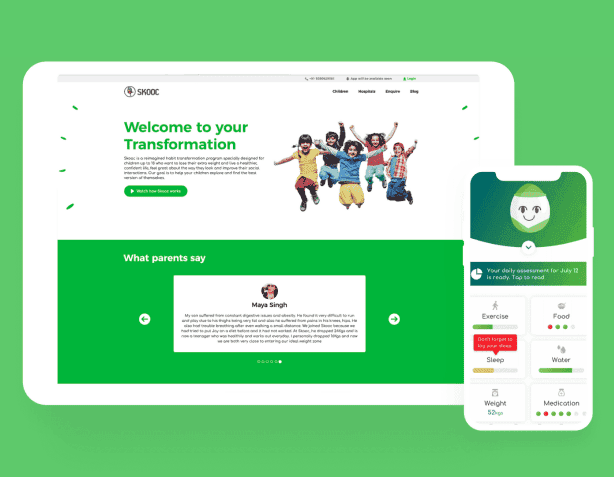
Skooc
Skooc is a health-focused web and mobile platform built with Node.js and React Native. Relia Software developed the app and admin panel to help parents and children track health habits, activity, diet, and progress in one connected system.
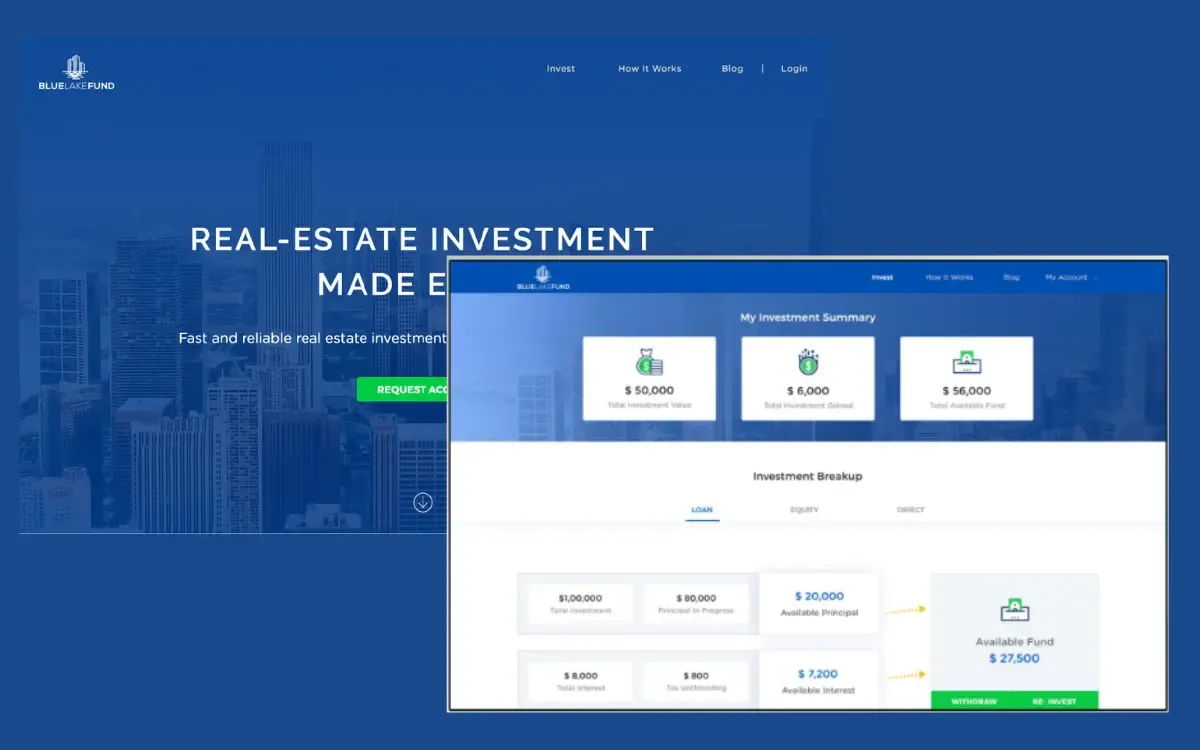
BlueLake
BlueLake needed more than a simple property listing site. Relia Software built a Node.js backend to support investment workflows, return prediction logic, investor dashboards, listing management, fund tracking, and secure data handling.

Let’s Date
Let’s Date relied on Node.js to handle the core logic behind its dating and social mobile app. Relia Software developed the backend APIs for user profiles, location-based matching, mutual-like flows, preference data, and admin operations.
The result was a mobile product that could support real-time user interactions and smarter match recommendations for the U.S. dating market.